

Architectural Audio Technology
The Architecture Is The System.
HST transforms walls, ceilings, furniture and architectural surfaces into active sound-emitting elements, allowing technology to disappear while architecture remains untouched.
Architecture First
Technology That Belongs In Architecture.
Most audio systems begin with hardware — speakers, amplifiers, cables. Architecture is expected to adapt around them.
HST begins with the opposite belief. The architecture is the starting point. Technology follows. Sound becomes integrated rather than installed.
The result is an environment where sound is experienced as part of the space, not as something added to it.
The technology exists to make sound disappear into architecture.
How It Works
The Surface Becomes The Speaker.
Through a patented vibroacoustic process, HST activates the molecular structure of architectural surfaces — walls, ceilings, glass, concrete, wood — transforming them into distributed acoustic emitters. Sound is produced by the architecture itself rather than by discrete speaker components.
This is not an acoustic panel. This is not a hidden speaker. The surface itself generates the sound field.
The Process
How HST Works.
The Amplifier
The HST amplifier processes the audio signal and generates the precise vibroacoustic output required to activate the surface. Designed specifically for architectural deployment.
No standard amplifier can replicate this process.
The Patch
Ultra-thin vibroacoustic transducers are bonded directly to the architectural surface. Once installed, they are completely invisible — embedded within the material itself.
Applied during the finishing stage of construction or renovation.
The Surface
The architectural surface becomes acoustically active. Walls, ceilings, panels, furniture and architectural elements emit sound naturally, creating a distributed field rather than a point-source listening experience.
Compatible surfaces include drywall, wood, glass, concrete, MDF and composite panels.
Sound
The environment fills with sound. No visible speakers. No visible hardware. No visual interruption to the architectural design. The technology has completely disappeared.
The visitor experiences sound without ever seeing its source.
The Hardware
Two Components.
One Complete System.
The entire HST system consists of two purpose-built components. The Patch. The AMP. Nothing more — and nothing missing.
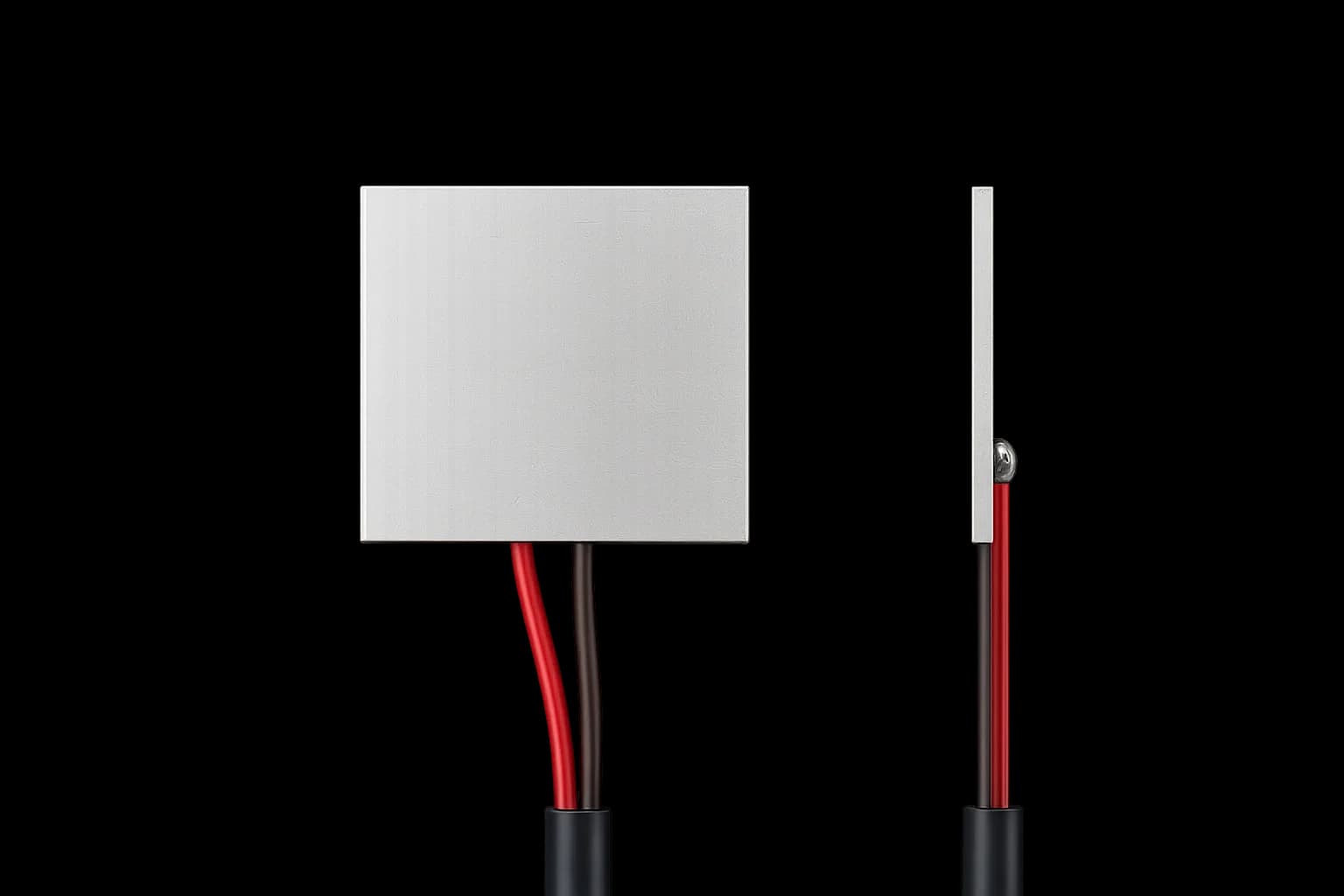
Component 01
HST Patch
Bonds invisibly to the back of any surface. The surface itself becomes the speaker.
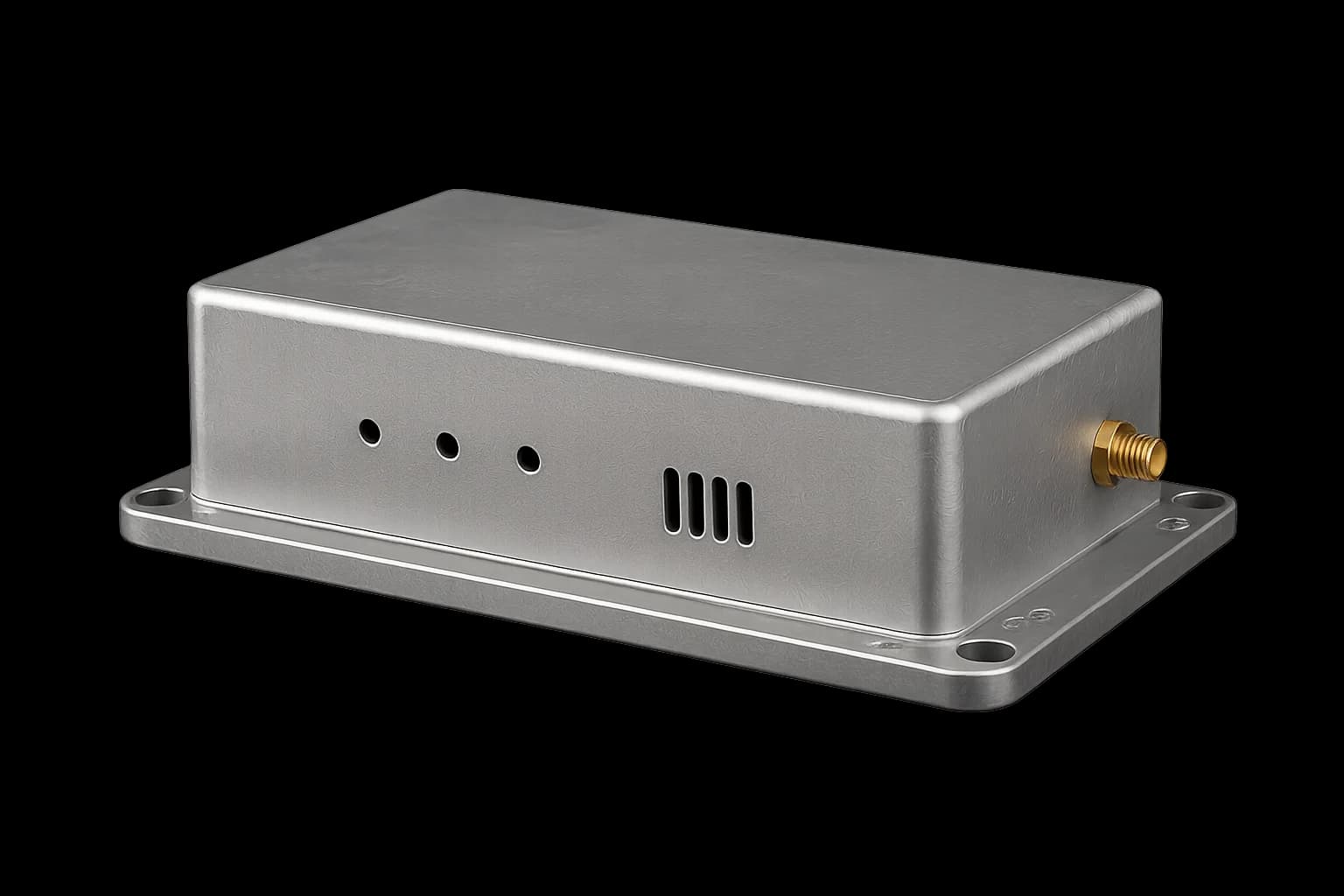
Component 02
HST AMP
Concealed in any technical void. Powers up to 30 surfaces from a single unit.
The Platform
More Than A Product. A Complete Platform.
HST is not a single product. It is a complete architectural audio technology platform that includes hardware, methodology, deployment framework and professional support — designed for seamless integration into premium environments.
HST Amplifier
Purpose-built vibroacoustic amplification engineered for architectural deployment. Powers up to 30 HST Patches from a single unit at just 25W total — equivalent to a single light bulb. 2-year warranty; typical service life exceeds this significantly.
HST Transducers (Patch)
Ultra-thin piezoelectric elements — 20×20mm, 1mm depth — bonded invisibly to architectural surfaces. Passive components with zero energy consumption of their own. No moving parts. No maintenance. Ever.
Deployment Methodology
A structured framework ensuring consistent, professional results across all environments.
Technical Support
Direct technical support from HST at every stage of specification, installation and deployment.
Ultra-Low Energy
The entire HST system consumes approximately 25W — less than a single light bulb — powering up to 30 active surfaces simultaneously. Designed for always-on operation with minimal impact on building energy consumption.
Zero Maintenance
HST Patches are passive piezoelectric elements with no moving parts and no wear mechanism. Once correctly installed, they require no maintenance for the lifetime of the building. The system is designed to be forgotten.
Deployment
Every Deployment Is A Collaboration.
HST does not sell products and disappear. Every project is supported through specification, installation and commissioning. The HST deployment framework ensures that every environment performs to specification and that the technology remains invisible — permanently.
- —Specification support at the earliest design stageHST engineers engage from the schematic phase, helping architects and consultants evaluate acoustic strategy before construction commits to any hardware footprint.
- —Trained and certified installation partnersOngoing dialogue during design development ensures HST integration is embedded in wall assemblies, ceiling grids and furniture from the earliest coordination cycles.
- —Commissioning and acoustic optimisationTrained specialists coordinate directly with the site team during installation, ensuring bonding, wiring and calibration protocols are followed to specification.
- —Long-term technical support and framework evolutionFollowing installation, HST performs on-site acoustic tuning per zone — adjusting distribution, amplitude and spatial character to the actual room response.
Why HST Is Different
The Difference Is Not Just Technical.
Traditional
Speakers must be positioned, grilles must be accommodated, design is compromised.
HST
No speakers. No grilles. No compromise. Architecture remains exactly as designed.
Traditional
Sound comes from a specific location — the speaker. Positioning is audible and visible.
HST
Sound is distributed across surfaces. The entire environment becomes the source.
Traditional
Adding audio requires significant structural and design decisions after the architecture is set.
HST
HST can be integrated during construction or applied during renovation without structural intervention.
Frequently Asked Questions
Common Questions.
What surfaces are compatible with HST?
+
HST is compatible with a wide range of architectural surfaces including drywall, plasterboard, wood panels, MDF, glass, concrete and most composite building materials. Surface suitability is assessed during the specification phase.
Is HST technology visible once installed?
+
No. The HST transducers are applied to the rear face of the architectural surface during installation and are completely invisible once the finishing process is complete. There are no grilles, covers or visible components.
Can HST be installed in existing buildings?
+
Yes. HST can be integrated during new construction or applied to existing surfaces during renovation projects. The installation process does not require significant structural modification.
What environments is HST suitable for?
+
HST has been deployed across luxury residential, premium hospitality, wellness and spa, luxury retail, fine dining and corporate environments. Any environment where design integrity and acoustic experience matter.
How is the sound quality compared to traditional speaker systems?
+
HST delivers a distributed, immersive sound field rather than a point-source listening experience. The result is a natural, enveloping acoustic environment that fills the space without localised sound sources. Audio quality and system tuning are optimised for each specific environment.
Is HST technology patented?
+
Yes. HST technology is protected by an Italian patent with EU recognition, covering both the core vibroacoustic process and specific application methodologies.
The Only Way To Truly Understand HST Is To Experience It.
A private demonstration in an HST-equipped environment will communicate in minutes what no description can convey.