
Hidden speakers for luxury villas in Dubai
Villas on Palm Jumeirah, Emirates Hills and Downtown Dubai share a design brief that refuses visible technology. How architectural audio integrates into the material palette of a private residence in the emirate — with no speakers on show.
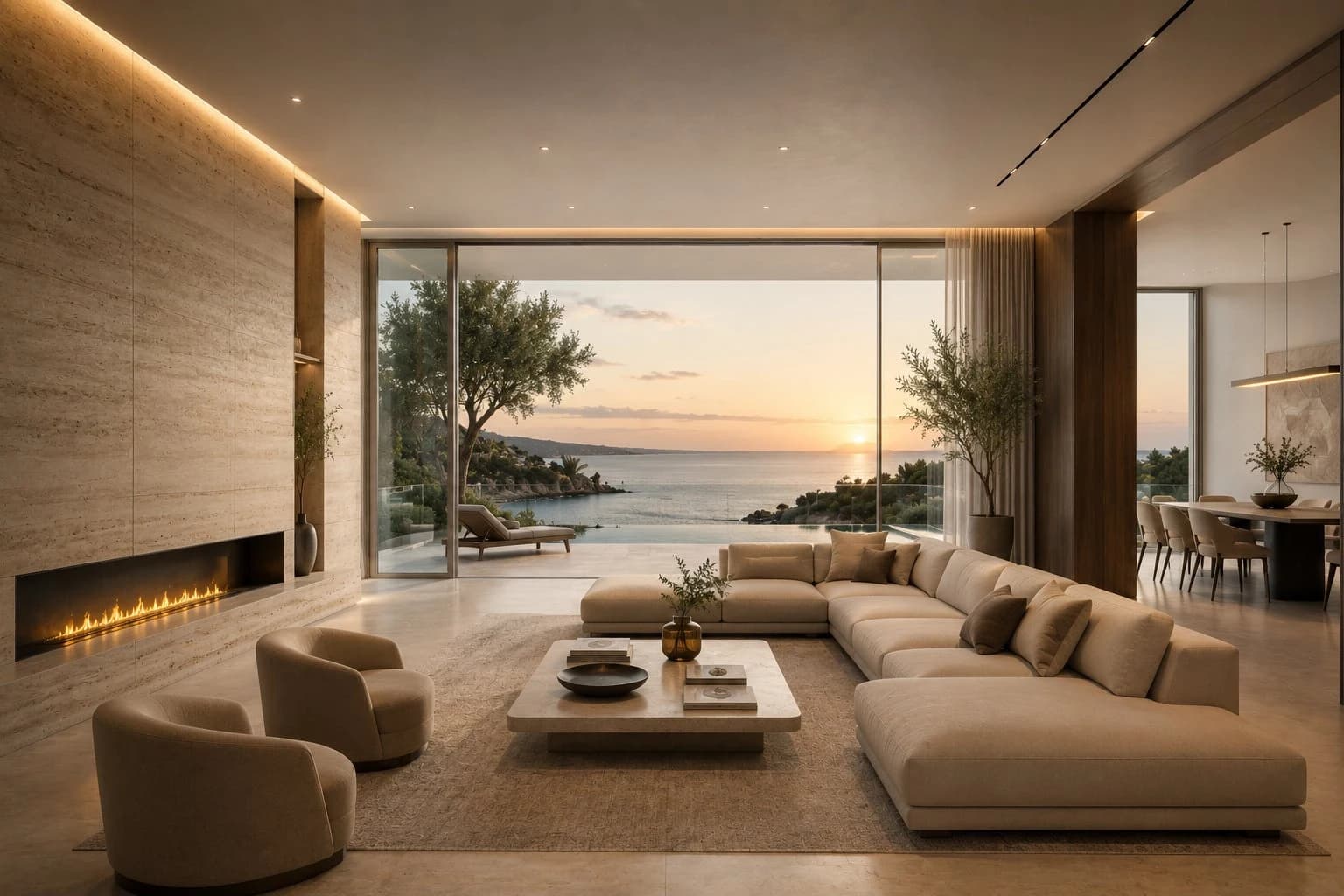
Private villas across Dubai are increasingly briefed to a level of finish where a visible speaker reads as a mistake. Palm Jumeirah waterfront villas, Emirates Hills estates and Downtown Dubai penthouses share a design language — natural stone, timber veneer, plaster, upholstered panels — that traditional in-wall audio disrupts. Architectural audio was written for exactly this brief.
What the category offers, in a Dubai residential context, is a way of putting music into every room of a villa without any object indicating a system is present. The wall becomes the source. The ceiling emits. The stone accent behind the fireplace stays visually intact and acoustically active.
What a Dubai villa audio brief usually asks for.
A typical villa on Palm or Emirates Hills accumulates between eight and eighteen audio zones — living areas, majlis, bedrooms, private cinema, wellness suite, gym, outdoor terrace and pool deck. Coordinated with the interior architect at schematic stage, the specification becomes part of the finishes package rather than a separate AV line item.
- Living and formal reception rooms — zero visible hardware, distributed emission.
- Majlis and family lounges — cultural context often requires acoustic warmth without directional beam.
- Wellness suites, hammam and private spa — moisture-tolerant configurations available.
- Outdoor terraces and pool decks — treated with weather-appropriate surface preparation.
- Private cinemas remain a domain for traditional loudspeakers — the category is a supplement, not a replacement, for a dedicated home theatre.
Local integration and partner coordination.
HST is deployed in the UAE through selected design studios and specialist trades. For a specific villa brief, the intake conversation typically starts with the interior architect or the project developer and expands into a coordination plan with plaster, joinery and stone trades already on site.
Timing matters. A villa in schematic design gains the cleanest integration. A villa in construction with finishes not yet ordered still allows a good outcome. A villa handed over already usually calls for a scoped retrofit assessment.
Villas, penthouses, chalets and private wellness rooms — how HST integrates into luxury residential.
The editorial overview — useful before briefing a design team.
The Palm-specific read — waterfront villa material palette and integration with home-automation platforms in place.
Intake with zone count, project stage and budget band. Scoped response within one working day.
Questions we're usually asked
- Can HST retrofit into a completed Palm Jumeirah villa?
- Retrofit is possible where finishes can still be touched — accessible drylining, removable joinery, treatable stone. On sealed structural finishes the coordination becomes more delicate and a technical site visit is required to scope realistically.
- Which villa surfaces work best in Dubai residences?
- Plasterboard and plaster (almost always), stone (with calibration — travertine, marble, limestone), timber veneer, upholstered panels. Moisture-adjacent zones (spa, hammam, pool deck) are addressed with specific configurations.
- Does HST integrate with home-automation platforms common in Dubai villas?
- Yes — zone control is designed to integrate with major home-automation platforms (Crestron, Control4, Savant, KNX). Specific compatibility is confirmed at intake.
- Where does HST have deployment in the UAE?
- HST works across the UAE through selected design studios and specialist trades. For a specific villa, the intake conversation connects with the right local point of contact.
Regional focus — part of a series covering HST integration in specific markets. Technical notes reflect current practice; every project is scoped individually at intake.
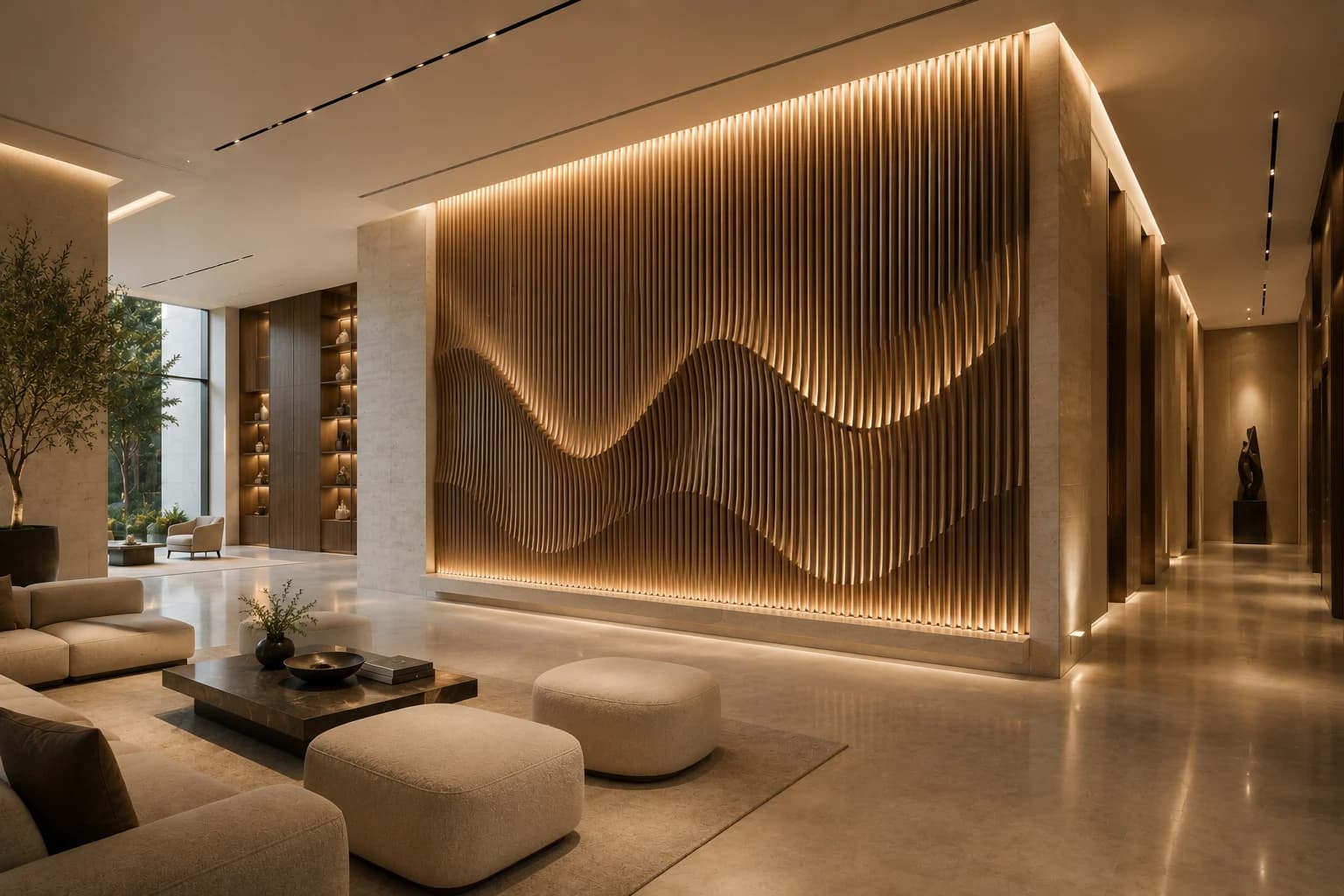
Architectural Audio: The Category That Doesn't Exist Yet
A discipline is forming at the intersection of acoustics and architecture — one where sound is not installed, but integrated. Here is what it is, why it matters, and what it asks of designers.
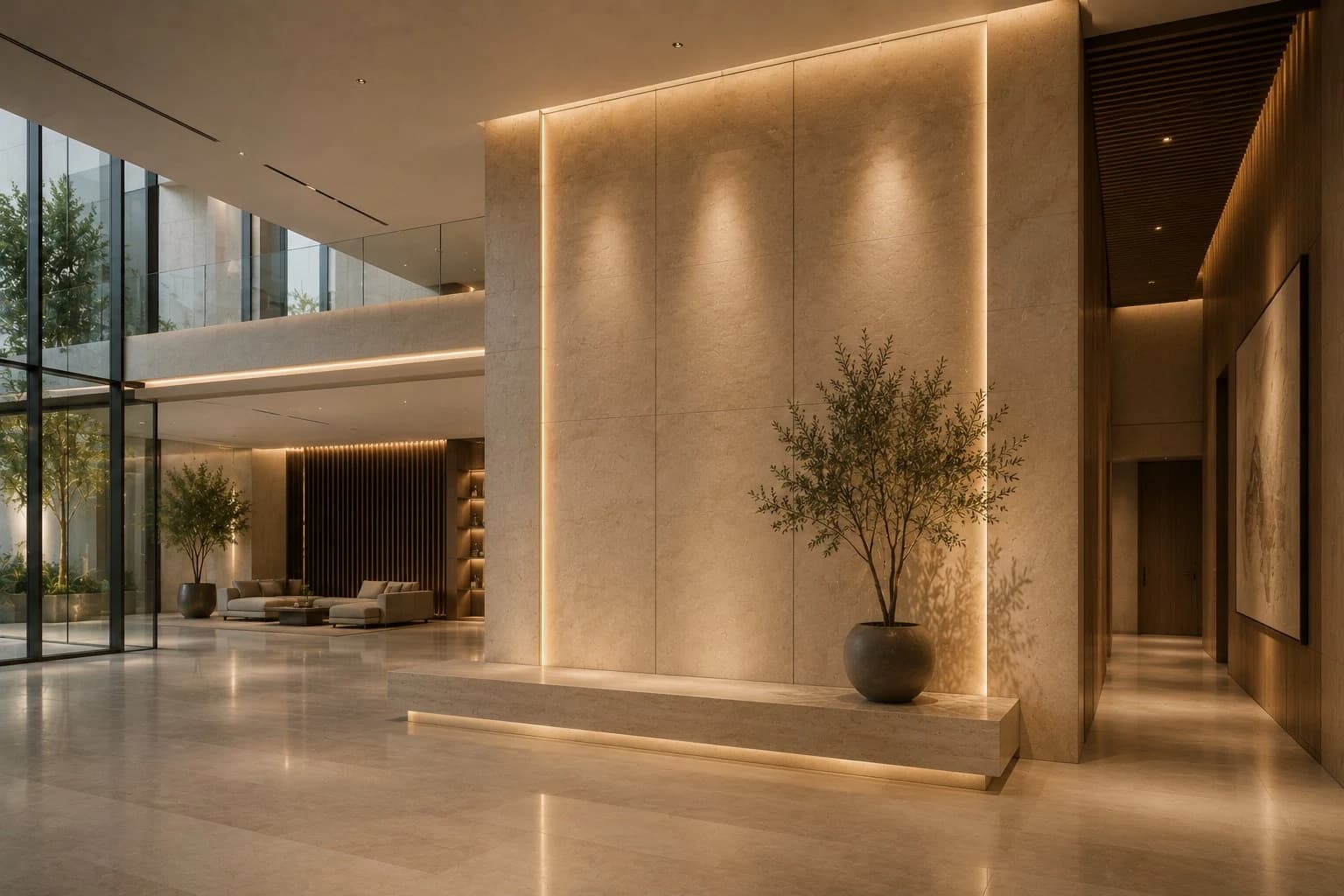
When Architectural Audio Beats Traditional Speakers — A Decision Framework
The category is not a substitute for every audio system. A short, honest guide for architects, developers and specifiers deciding where architectural audio belongs — and where a traditional loudspeaker still does the job better.